Why the Adriatic state is becoming a serious superyacht base 65M Sunreef Explorer · New-yacht warranties Sea trials · Refit · Design · Naval architecture
The inaugural August 2026 issue of Yacht Guide Magazine moves from Montenegro and Indonesia to new yacht projects, ownership, commissioning, refit engineering and modern yacht design.
Montenegro has evolved from an attractive Adriatic diversion into a credible superyacht operating base. Large-yacht berthing, refit capability, duty-free fuel and a growing marina network now sit within one of the Mediterranean’s most compact cruising areas.
Delivery does not mean the shipyard disappears from the picture. A new superyacht normally enters a contractual warranty period in which defects can be reported and corrected, but the owner's rights depend heavily on what the construction contract says, when notice is given and how the claim is managed.
Indonesia is placing yacht tourism alongside cruising and diving as a core part of its strategy for higher-value marine tourism. The challenge now is turning an extraordinary cruising geography into the marina, technical, regulatory and service network international yachts expect.
Austin Parker AP 68 is a luxury flybridge motor yacht by Fulvio De Simoni, with three en-suite guest cabins, separate crew accommodation and twin MAN shaft-drive propulsion.
Commissioning turns completed refit work into verified operating capability by proving that each system is installed, configured, protected and integrated as intended. Reliable acceptance testing defines prerequisites and acceptance criteria before the test, distinguishes factory, harbour and sea-trial objectives, uses calibrated instrumentation, records operating conditions and results, controls temporary overrides and unresolved defects, verifies alarms and protective functions by approved methods, and closes testing only when failed items are retested and the final as-built configuration is accepted.
Refit handover transfers technical control from the project team to the yacht only when the final installed configuration, as-built drawings, manuals, software and settings, equipment identities, test records, open defects, spares and maintenance data are reconciled. Reliable warranty-period management also records the exact commencement and expiry basis for each applicable warranty, keeps supplier contacts and claim procedures accessible, preserves service and defect evidence, tracks outstanding actions and ensures early-life failures are claimed, repaired, verified and documented before responsibility or evidence is lost.
Classic yachts can gain modern comfort and capability without losing the proportions and details that define their era. Successful exterior modernisation treats original lines as valuable design assets and introduces new work selectively around them.
Lengthening a yacht or adding a new stern changes much more than appearance. Hull-girder geometry, displacement, longitudinal balance, stability, structural loads, propulsion flow and regulatory dimensions can all change together.
How AV, lighting, controls and other modern systems can be introduced during a superyacht refit while protecting retained finishes, preserving service access and avoiding unnecessary interior demolition.
Welcome to the first issue of Yacht Guide Magazine. This new monthly publication brings together the strongest material across the wider Superyacht Guide editorial platform, but it is intended to be more than a collection of web articles. Each issue is curated as a magazine, with a deliberate balance of yachts, destinations, ownership, engineering, design and photography.
For our inaugural edition, Montenegro provides the natural opening story. Its combination of large-yacht berthing, technical capability and Adriatic cruising illustrates how quickly the geography of serious yacht operations can evolve. Indonesia offers a very different perspective: extraordinary cruising potential meeting an increasingly ambitious marine-tourism strategy.
The yachts themselves remain central. This month we look at two very different large Sunreef projects alongside the Austin Parker AP 68, before moving below the surface into warranties, commissioning, sea trials and the engineering records that determine whether a handover is genuinely complete.
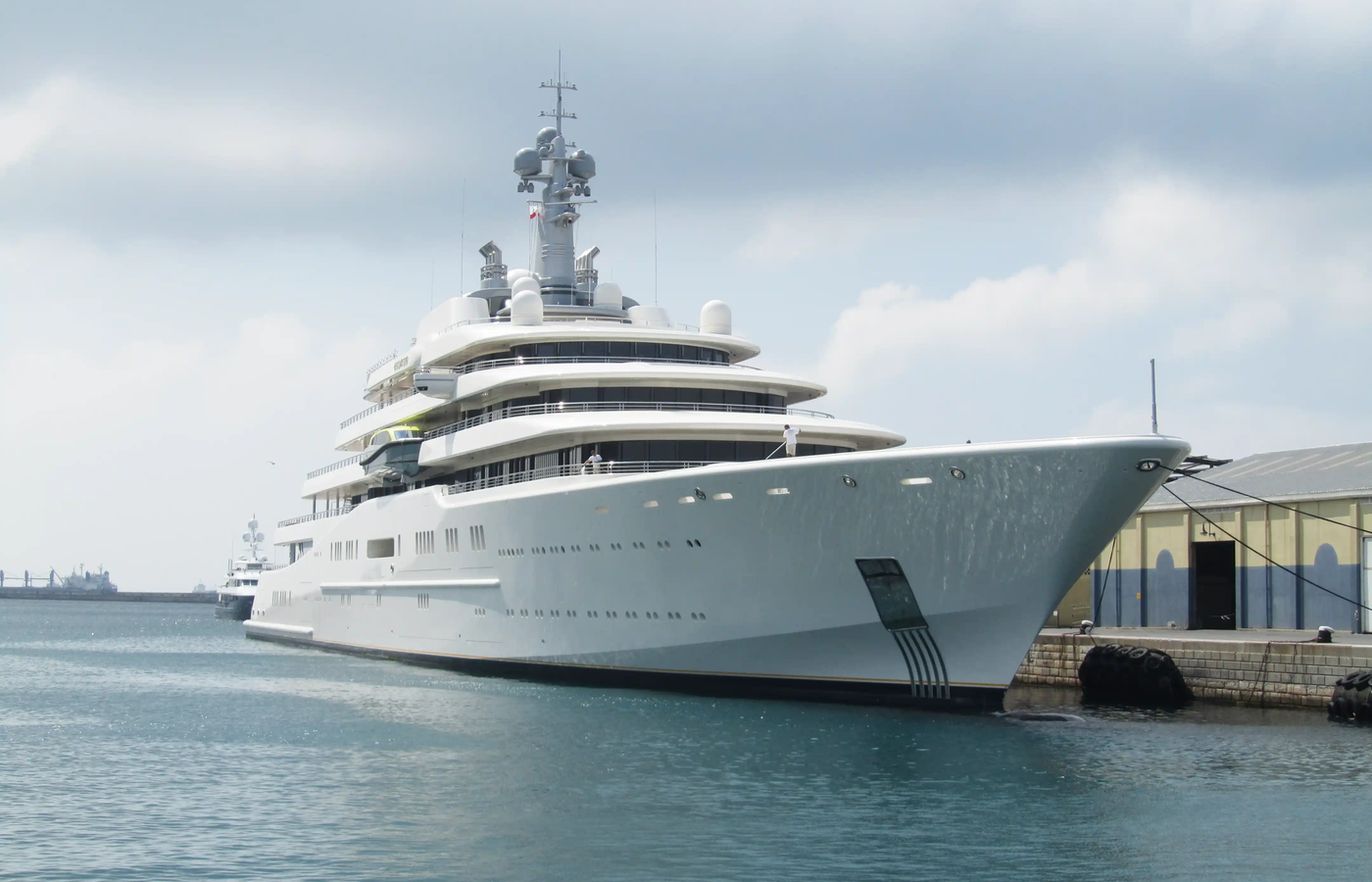
Design closes the circle. Classic exterior lines, yacht extensions and the integration of new technology into an existing interior all demonstrate the same principle: successful change on a yacht depends on understanding what should be preserved as carefully as what should be replaced. We finish with a photographic view of Eclipse bunkering in Gibraltar — an operational moment that also captures the scale and presence of the modern superyacht.
This is Issue 1. The format will continue to develop, but the editorial standard will remain constant: useful, informed yacht journalism built from verified source material and presented with the depth a monthly magazine allows.
Montenegro has evolved from an attractive Adriatic diversion into a credible superyacht operating base. Large-yacht berthing, refit capability, duty-free fuel and a growing marina network now sit within one of the Mediterranean’s most compact cruising areas.
Delivery does not mean the shipyard disappears from the picture. A new superyacht normally enters a contractual warranty period in which defects can be reported and corrected, but the owner's rights depend heavily on what the construction contract says, when notice is given and how the claim is managed.
Indonesia is placing yacht tourism alongside cruising and diving as a core part of its strategy for higher-value marine tourism. The challenge now is turning an extraordinary cruising geography into the marina, technical, regulatory and service network international yachts expect.
Austin Parker AP 68 is a luxury flybridge motor yacht by Fulvio De Simoni, with three en-suite guest cabins, separate crew accommodation and twin MAN shaft-drive propulsion.
Commissioning turns completed refit work into verified operating capability by proving that each system is installed, configured, protected and integrated as intended. Reliable acceptance testing defines prerequisites and acceptance criteria before the test, distinguishes factory, harbour and sea-trial objectives, uses calibrated instrumentation, records operating conditions and results, controls temporary overrides and unresolved defects, verifies alarms and protective functions by approved methods, and closes testing only when failed items are retested and the final as-built configuration is accepted.
Refit handover transfers technical control from the project team to the yacht only when the final installed configuration, as-built drawings, manuals, software and settings, equipment identities, test records, open defects, spares and maintenance data are reconciled. Reliable warranty-period management also records the exact commencement and expiry basis for each applicable warranty, keeps supplier contacts and claim procedures accessible, preserves service and defect evidence, tracks outstanding actions and ensures early-life failures are claimed, repaired, verified and documented before responsibility or evidence is lost.
Classic yachts can gain modern comfort and capability without losing the proportions and details that define their era. Successful exterior modernisation treats original lines as valuable design assets and introduces new work selectively around them.
Lengthening a yacht or adding a new stern changes much more than appearance. Hull-girder geometry, displacement, longitudinal balance, stability, structural loads, propulsion flow and regulatory dimensions can all change together.
How AV, lighting, controls and other modern systems can be introduced during a superyacht refit while protecting retained finishes, preserving service access and avoiding unnecessary interior demolition.